adhesive tape plays a crucial role in medical settings. Its unique properties make it indispensable for various applications. From securing dressings to holding medical devices, adhesive tape is everywhere in healthcare. Many may wonder about the different types of tape available. There are tapes specifically designed for sensitive skin or those that resist moisture. Understanding how adhesive tape can enhance patient care is essential for both healthcare professionals and patients alike. 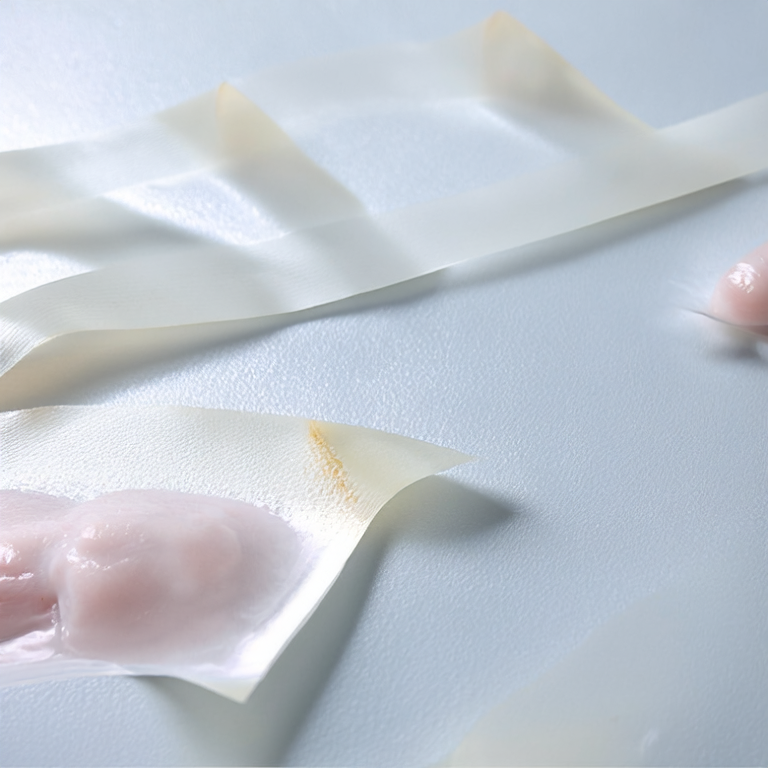
**Adhesive tape is used in medical applications for securing dressings, stabilizing medical devices, and supporting joints. Its versatility allows it to cater to various medical needs, improving patient care and comfort.**
Adhesive tape is often used to secure bandages and dressings on a patient's wound. This ensures the dressing stays in place, preventing contaminants from entering and aiding in healing.
Various medical devices, such as catheters and IV lines, require stabilization to function correctly. Adhesive tape helps hold these devices securely, reducing movement and enhancing patient comfort.
In physical therapy, adhesive tape can provide support to joints. It helps alleviate pain and prevents injury during movement. Taping techniques are often used to enhance performance and recovery.
In summary, adhesive tape serves many vital functions in medical applications. From securing dressings and stabilizing devices to providing joint support, its versatility is crucial. Tools like Hebei Top Tape provide various options tailored to specific medical needs, enhancing patient care and comfort.
Common types include surgical tape, athletic tape, and waterproof tape. Each serves specific applications, ensuring optimal use in a medical setting.
Many medical tapes are designed for sensitive skin. However, it’s crucial to test for allergic reactions before use.
To remove adhesive tape painlessly, gently pull it back, aligning it with the skin. Using an adhesive remover or warm water can also help ease the process.


